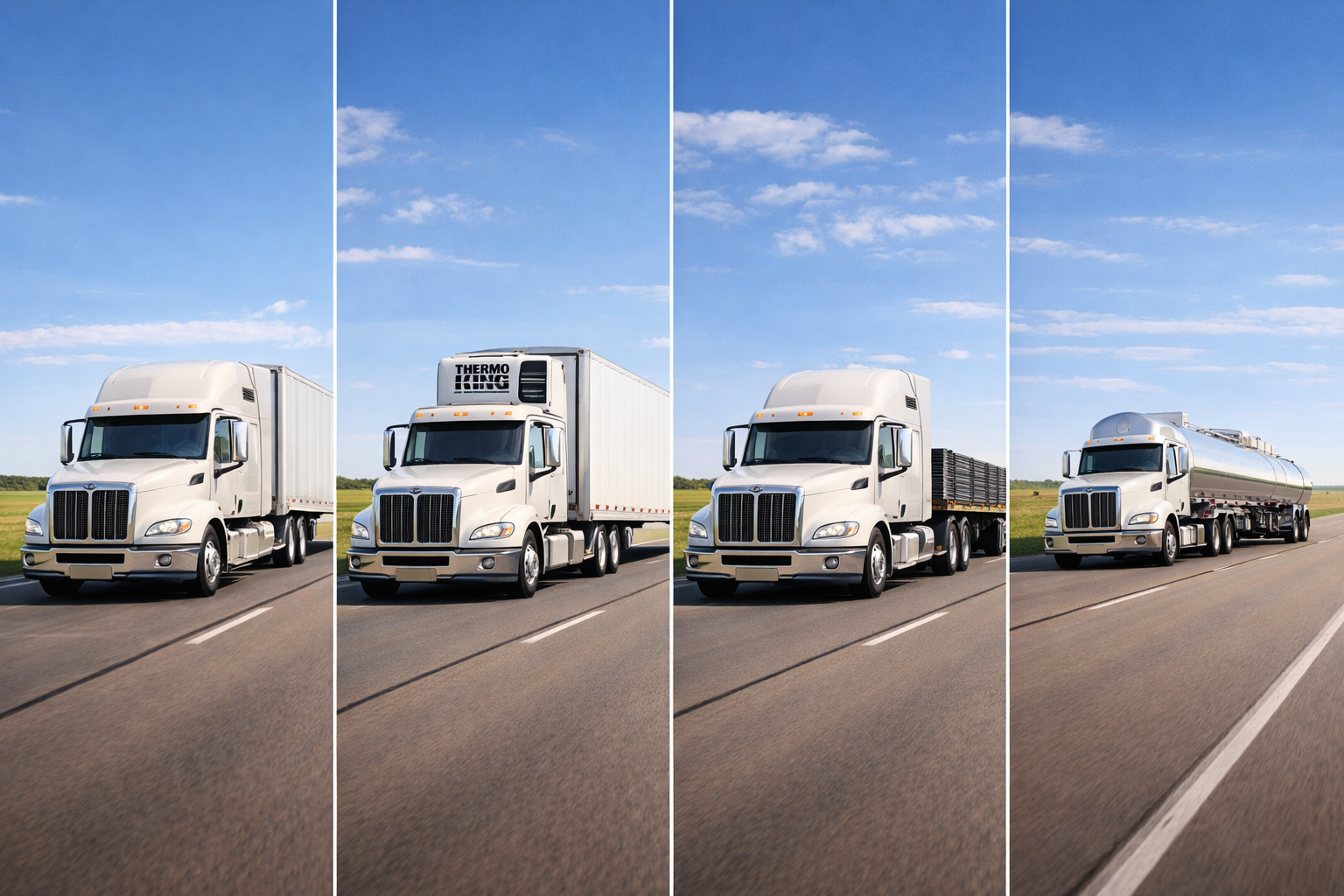
Not all truck driving jobs are the same. One of the biggest factors shaping a driver’s experience is the type of freight they haul. Freight type directly impacts how drivers are paid, how their schedules are structured, and what day-to-day life on the road looks like.
For both new and experienced drivers, understanding these differences is essential when choosing the right path in the industry. A job that works well for one driver may not be the right fit for another, simply because of the freight involved.
This article breaks down how different types of freight influence pay, hours, and overall lifestyle so drivers can make informed decisions.
Why Freight Type Matters in Trucking
Freight is more than just what’s inside the trailer—it determines how the job operates. From loading requirements to delivery urgency, each type of freight comes with its own expectations.
According to the American Trucking Associations, trucking moves the majority of freight across the United States. That freight includes everything from packaged goods to oversized construction materials, each requiring different handling and timelines.
Because of these differences, freight type affects:
- How much drivers can earn
- How predictable their schedule is
- The level of physical work involved
- The amount of downtime between loads
Understanding these factors helps drivers align their work with their personal goals and lifestyle preferences.
Dry Van Freight: Consistency and Simplicity
Dry van is one of the most common freight types in the industry. It involves hauling non-perishable goods in enclosed trailers.
Pay Structure
Dry van jobs typically offer steady but moderate pay. Since the work is widely available and doesn’t require specialized handling, compensation tends to be more standardized.
Drivers often benefit from:
- Consistent miles
- Reliable freight demand
- Predictable weekly earnings
Hours and Scheduling
Dry van freight is generally less time-sensitive compared to refrigerated loads. While delivery windows still matter, there is often more flexibility in scheduling.
Drivers can expect:
- Regular routes in regional or dedicated lanes
- Less urgency compared to temperature-controlled freight
- Balanced workweeks with manageable hours
Lifestyle Considerations
Dry van is often a starting point for new drivers because it offers a straightforward work environment. It suits drivers who prefer:
- Minimal physical labor
- Simpler loading and unloading processes
- A steady, predictable routine
Refrigerated (Reefer) Freight: Higher Demand, Tighter Schedules
Refrigerated freight involves transporting temperature-sensitive goods such as food, pharmaceuticals, and other perishables.
Pay Structure
Reefer jobs often pay more than dry van due to the added responsibility of maintaining temperature control and meeting strict delivery timelines.
Drivers may earn higher rates because:
- Freight is time-sensitive
- Equipment requires monitoring
- Delays can lead to product loss
Hours and Scheduling
Reefer freight typically comes with tighter delivery schedules. Loads often run around the clock, including nights and weekends.
Drivers should expect:
- Irregular schedules
- Longer wait times at distribution centers
- Increased pressure to meet deadlines
Lifestyle Considerations
While reefer work can increase earning potential, it also requires flexibility and patience. Drivers may need to adapt to:
- Frequent schedule changes
- Additional responsibilities for monitoring equipment
- Less predictable downtime
For drivers comfortable with variability, reefer freight can offer both opportunity and challenge.
Flatbed Freight: Physical Work and Higher Earnings Potential
Flatbed trucking involves hauling oversized or irregularly shaped loads, such as construction materials, machinery, or steel.
Pay Structure
Flatbed drivers often earn higher pay due to the physical demands and specialized skills required. For drivers looking to understand how freight type and lane structure connect to earning potential, a closer look at how the highest paying truck driving routes are structured can help clarify what factors beyond freight type also drive compensation.
Higher earnings are tied to load securement responsibilities, additional safety requirements, and fewer qualified drivers in this segment.
Hours and Scheduling
Flatbed schedules can vary depending on the type of freight and customer needs. Some loads follow predictable routes, while others depend on project timelines.
Drivers may experience:
- Daytime-heavy schedules (common in construction-related freight)
- Variability based on project deadlines
- Seasonal fluctuations in demand
Lifestyle Considerations
Flatbed work is physically demanding. Drivers are responsible for securing loads using straps, chains, and tarps.
This freight type is better suited for drivers who:
- Are comfortable with physical labor
- Prefer active work over purely driving
- Value higher earning potential tied to effort
Tanker Freight: Specialized Skills and Safety Focus
Tanker drivers transport liquids such as fuel, chemicals, or food-grade products.
Pay Structure
Tanker positions often offer competitive pay due to the specialized nature of the work and the need for additional endorsements.
Drivers may earn more because:
- Freight requires careful handling
- Safety risks are higher
- Additional certifications are required
Hours and Scheduling
Schedules for tanker drivers depend heavily on the type of liquid being transported. Fuel delivery, for example, may involve night shifts to avoid traffic.
Common scheduling patterns include:
- Local or regional routes
- Shift-based work (including nights)
- Consistent but sometimes unconventional hours
Lifestyle Considerations
Tanker driving requires attention to detail and a strong focus on safety. Liquid loads behave differently than solid freight, which affects driving techniques.
This role is a good fit for drivers who:
- Prefer structured routes
- Are detail-oriented
- Are comfortable with safety protocols and regulations

Specialized and Oversized Freight: Niche Opportunities
Specialized freight includes oversized loads, heavy haul, and other unique cargo types that require permits and advanced planning.
Pay Structure
These roles often offer some of the highest pay in trucking, reflecting the complexity and responsibility involved.
Higher compensation is driven by:
- Advanced skills and experience requirements
- Additional planning and coordination
- Limited number of qualified drivers
Hours and Scheduling
Oversized freight often operates under strict regulations, including limited driving hours and designated routes.
Drivers may encounter:
- Extended trip planning
- Slower travel speeds
- Coordination with escort vehicles
Lifestyle Considerations
Specialized freight can be rewarding but demanding. It often requires patience, precision, and experience.
Drivers interested in this path typically:
- Have several years of experience
- Enjoy complex challenges
- Are comfortable with detailed planning
How Freight Type Affects Work-Life Balance
Beyond pay and hours, freight type plays a major role in overall work-life balance. This decision is closely connected to the broader choice between local and regional work — understanding how local vs regional trucking jobs compare alongside freight type gives drivers a fuller picture of what daily life will actually look like.
Predictability vs. Flexibility
Some freight types offer predictable schedules, while others require flexibility.
- Dry van and certain tanker roles often provide routine
- Reefer and specialized freight may involve irregular hours
Drivers should consider whether they prefer consistency or are comfortable adapting to changing schedules.
Time at Home
Freight type can influence how often drivers get home.
- Local tanker or dedicated routes may allow frequent home time
- Long-haul reefer or specialized freight may require extended time on the road
Understanding these differences helps drivers choose roles that align with their personal priorities.
Physical and Mental Demands
Each freight type comes with different levels of physical and mental effort.
- Flatbed requires more physical work
- Tanker requires heightened focus on safety
- Reefer demands time management under pressure
Balancing these factors is key to long-term job satisfaction.
Industry Regulations That Apply Across Freight Types
Regardless of freight type, all drivers must follow federal safety regulations. The Federal Motor Carrier Safety Administration sets standards for Hours of Service (HOS), vehicle maintenance, and driver qualifications.
You can review these regulations directly through the Federal Motor Carrier Safety Administration (FMCSA) to better understand how they apply to your role.
These rules are designed to:
- Promote road safety
- Prevent driver fatigue
- Ensure consistent industry standards
While freight type changes the nature of the job, compliance with these regulations remains constant.
Choosing the Right Freight Type for Your Goals
There is no single “best” type of freight. The right choice depends on what you value most in your career.
Consider Your Priorities
Ask yourself:
- Do you prefer consistent schedules or higher earning potential?
- Are you comfortable with physical labor?
- How important is home time?
Your answers will help narrow down which freight types align with your goals.
Gain Experience Over Time
Many drivers start with dry van or reefer freight and transition into specialized roles as they gain experience. This progression allows drivers to explore different options and find the best fit.
Evaluate Long-Term Sustainability
A role that offers higher pay may also come with increased demands. It’s important to consider whether a particular freight type is sustainable for your lifestyle over time.
Final Thoughts
Freight type is one of the most important factors shaping a truck driver’s career. It influences how much you earn, how your schedule is structured, and what daily life looks like on the road.
Understanding these differences allows you to make informed decisions and choose a path that fits both your financial goals and personal preferences. Whether you prioritize consistency, higher earnings, or a specific type of work environment, there is a freight option that aligns with your needs.
If you’re exploring driving opportunities and want to better understand how different freight types fit into real-world operations, Rapid Response offers a range of routes and freight options to support drivers at different stages of their careers. Taking the time to learn more about available roles can help you find a position that matches your goals and preferred lifestyle.